
Emergency medical services (EMS) which is a vital and noble career, gives the opportunity to earn a living saving lives and providing crucial healthcare. If you’re contemplating being an Emergency Medical Technician (EMT) or even progressing into the highly sought-after job of a paramedic you’re entering a profession which has huge growth potential and high demand for skilled professionals. This article will guide you through each step required to be an EMT or paramedic. We’ll also discuss the many options of training, such as the approved by the DSHS EMS course.
Understanding the role of EMTs and Paramedics:
First responders emergency medical Technicians and Paramedics provide immediate medical treatment in an emergency situation. They are certified to assess patients, administering essential medical treatments, and transporting patients safely to medical facilities for further treatment. EMTs and paramedics play an essential role in stabilizing patients during crucial moments, taking split-second decisions and providing compassion in times of anxiety. For more information, click How to Become EMT
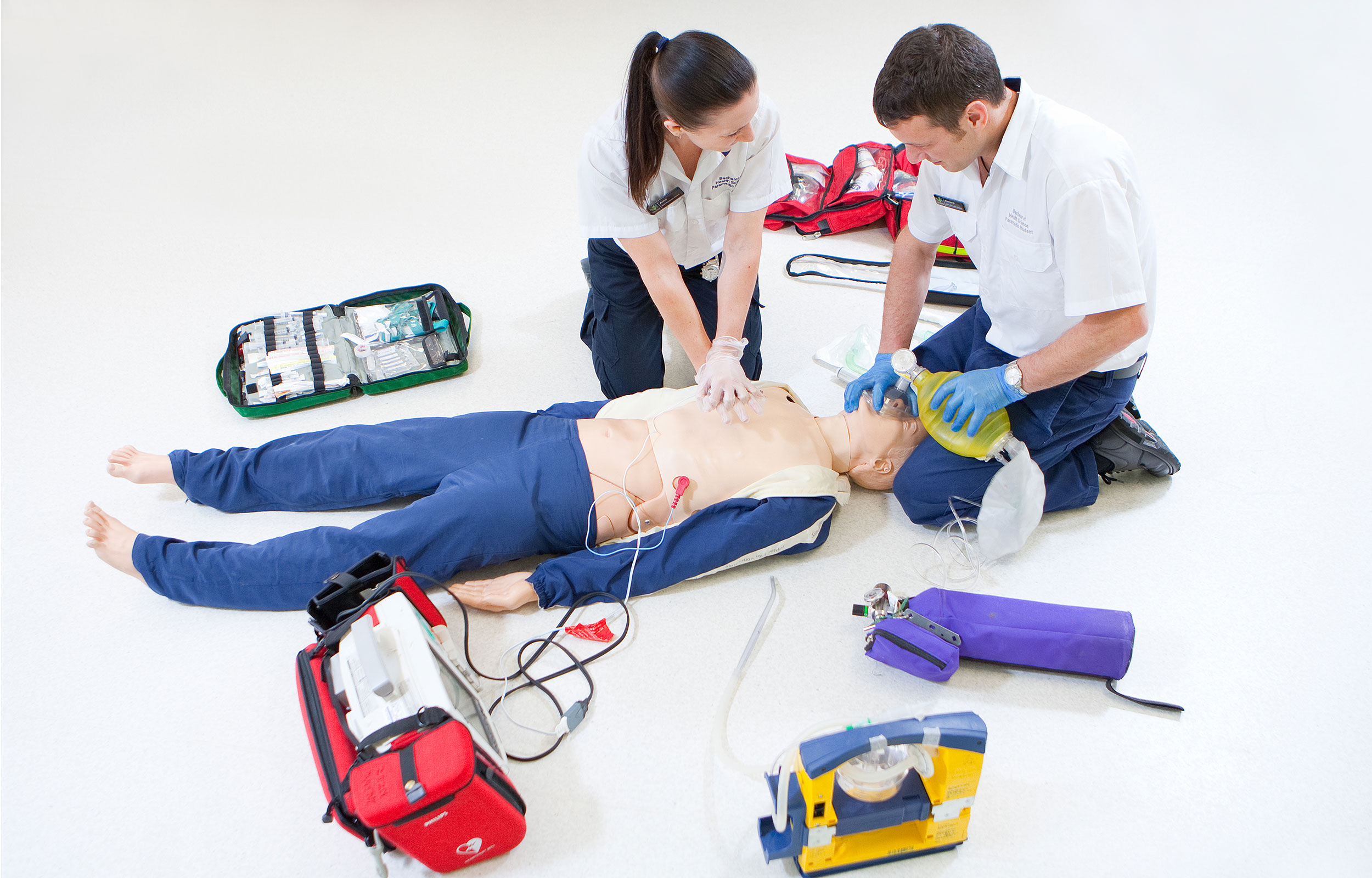
Step 1: Becoming an EMT
To become an EMT To become an EMT, you must successfully complete the required education and training, which can vary depending on the level of certification you’d like to achieve. There are three degrees of EMT certification.
1. EMT-Basic (EMT-B) It is the entry-level certification and requires around 100 to 150 hours of education. EMT-Bs receive training in basic medical treatment, including CPR, bleeding management, and the basics of airway control.
2. EMT-Intermediate: This is a level which requires more education. The amount of training needed varies from state to the next. In certain regions it is integrated with EMT-B, while in other areas, it is a requirement of 200 to 400 hours of training. It also includes increased medical expertise as well as intravenous therapy.
3. EMT-Paramedic (EMT-P) The most prestigious degree of EMT certification, EMT-P is a rigorous training requirement, typically running between 1,800 and 1,000 hours. Paramedics are proficient in a variety of advanced medical procedures, including managing medications, interpreting EKGs, and advanced airway management.
Step 2: Obtaining Paramedic Certification
You must finish the EMT B or EMT I degree before becoming paramedic. You’ll then be able to join paramedic courses, which typically takes anywhere from one to two years to complete. In the course, you’ll study the latest medical topics. In addition, you’ll acquire the expertise and understanding required to handle difficult circumstances.
Step 3. Examining EMT Optional Training:
When it comes to EMT training, there are various options depending on the degree of certification you aim to achieve. EMT classes are typically offered through medical trade schools as well as community colleges at all certification levels. The programs provide a mix of teaching in the classroom, hands-on training as well as practical encounters in field and clinic locations.
If you’re looking for a thorough and comprehensive EMT program that could lead to a degree from an institution like a college or university, they may also offer EMT training at the EMT-Paramedic levels. These programs give you more knowledge of emergency services, and a wider perspective on medical decision-making.
Step 4: Ensure DSHS approved EMS Training:
If you’re interested in becoming an paramedic or EMT, it is essential that the training program that you select be DSHS-approved. The Department of State Health Services, or DSHS has the authority to approve EMS Training Courses to ensure an excellent education. If you sign up for an DSHS certified EMS training course, you can be sure that you will receive top-notch instruction and meeting the requirements to be certified.
Paramedics and EMTs have highly regarded professions. EMTs, paramedics and other first responders play an important role in providing medical care and rescuing lives in emergency situations. To embark on this lifesaving endeavor, EMTs and Paramedics are required to complete education and training programs. The EMT certification is available at the community college, medical trade school, or university depending on the level of certification desired.
It is essential to think about the various training options available to you and to make sure that the EMS course you choose is DSHS-approved. This will guarantee that you receive a high-quality education that meets all the requirements required for EMT certification as well as paramedic certification.
The demand for emergency medical professionals is increasing. Being a part of the field of EMS will provide you with numerous job opportunities, as well having the chance to make an enormous impact on others life. You can start your career with the position of an EMT or move toward paramedic status. Your commitment to providing critical medical care will be rewarded with a rewarding job.